
<< click here to go back to The Art of Remembering Paris
Studio Sessions:
Curatorial statement about process:
Central to my own philosophies and practice, The Rabbit Hole is a process-based project. In delving into process, without rules or restrictions, and in embracing the power of the collective, the artists unravel, in what the group refers to as “magical consciousness” a mode of attunement that resides beyond the deliberate mind. In disconnecting from habitual patterns, we reconnect to more universal sensibilities: the senses, intuition, improvisation. Like the birds in Fariduddin Attar’s Conference of the Birds, The Rabbit Hole is a space to navigate a shared, uncertain compass, trusting that meaning arises, not from plans but from movement and resonance.
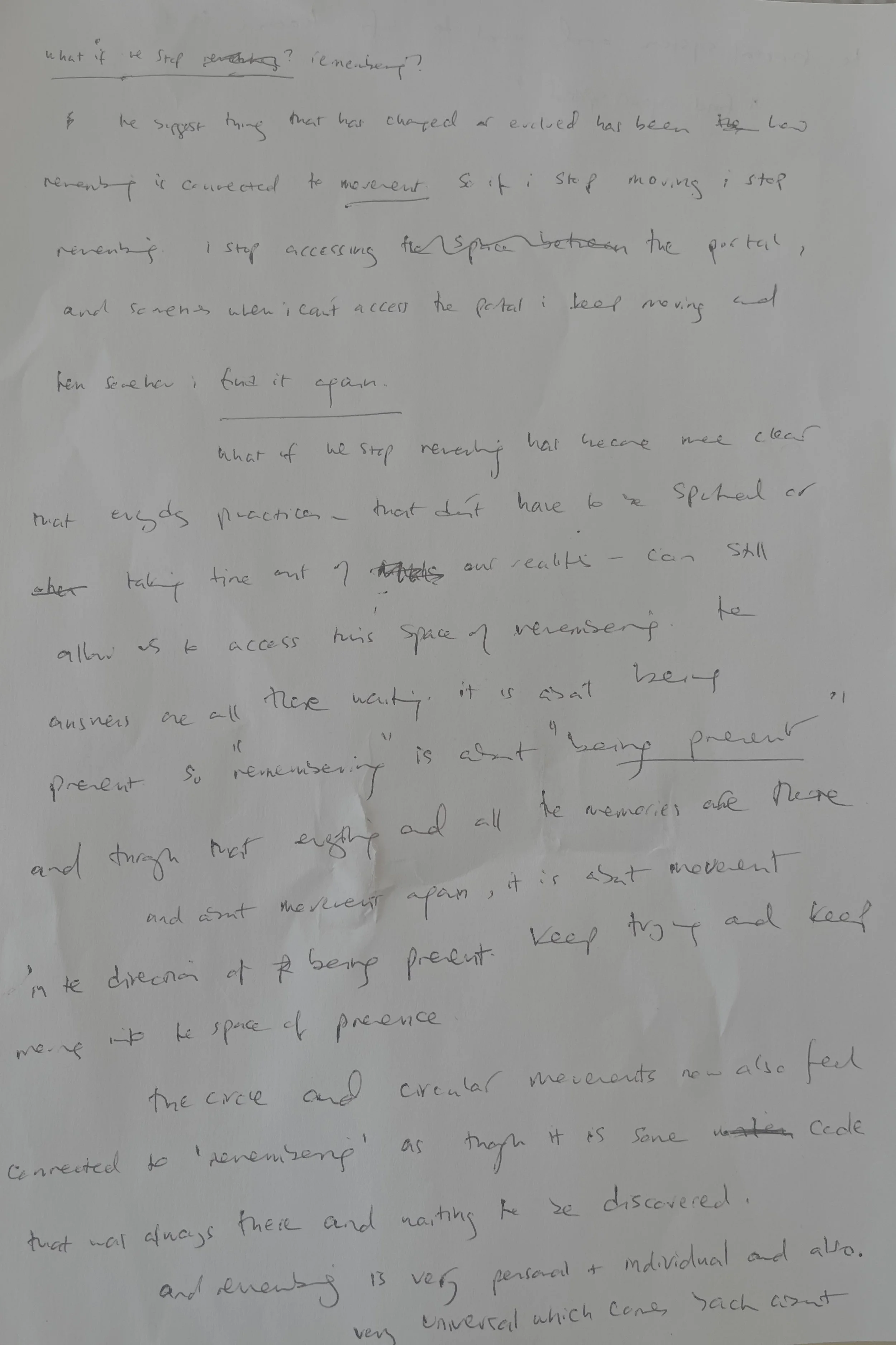
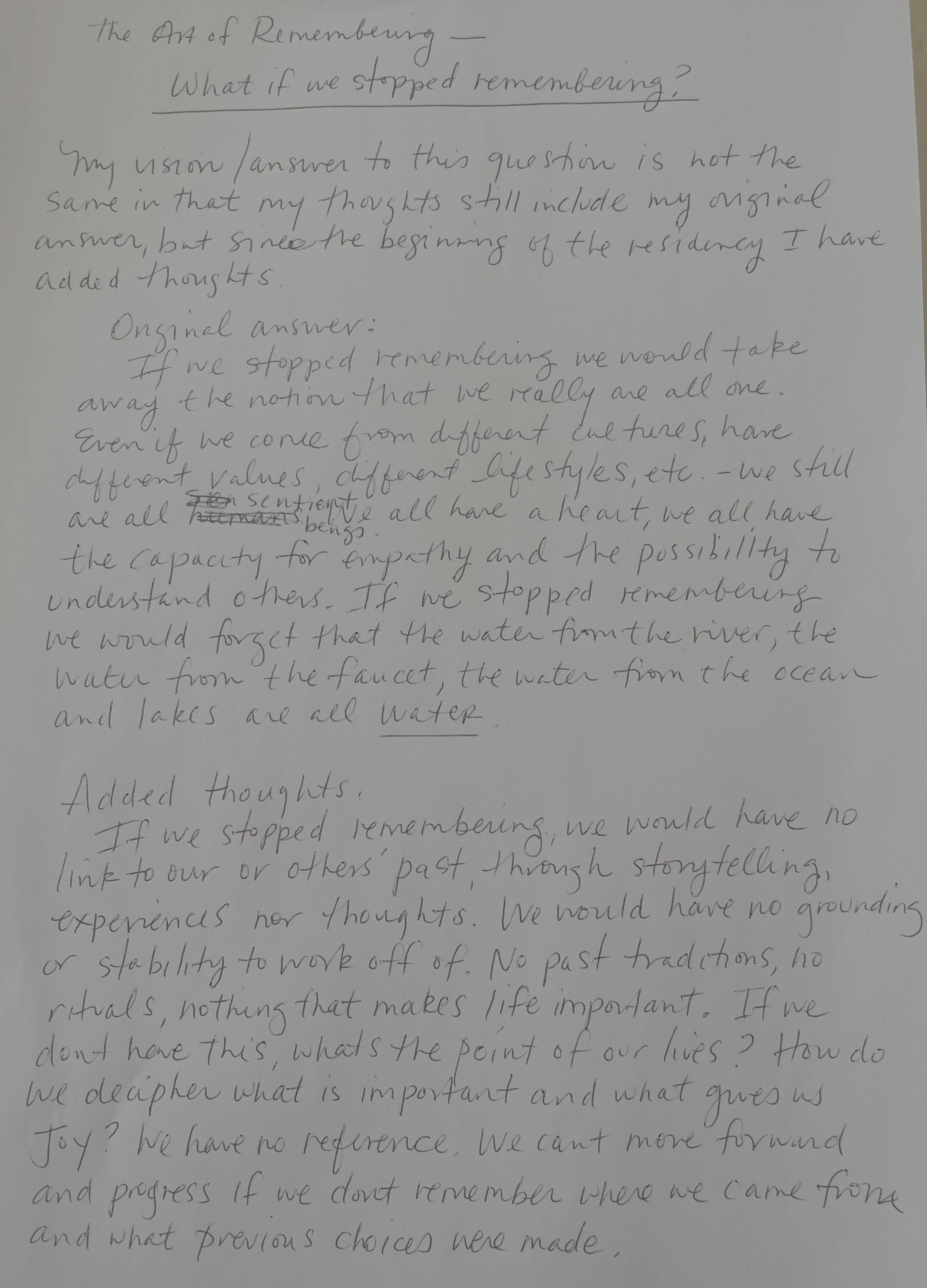
Over six months, the artists entered The Rabbit Hole as both inquiry and practice—an invitation to stop with the mind, and allow process itself to become the guide. Each artist entered the program with a response to the questions “What if we stop remembering?” yet carried this question lightly, open to the possibility that their work might be transformed by the collective, or even undone by it. What unfolded was less a linear investigation, but more like a derive itself: a drifting through materials, sensations, and states.
The residency offered them not only time, but a shared commitment to exploration—an opportunity to deconstruct, revisit, and reinvent their methodologies.
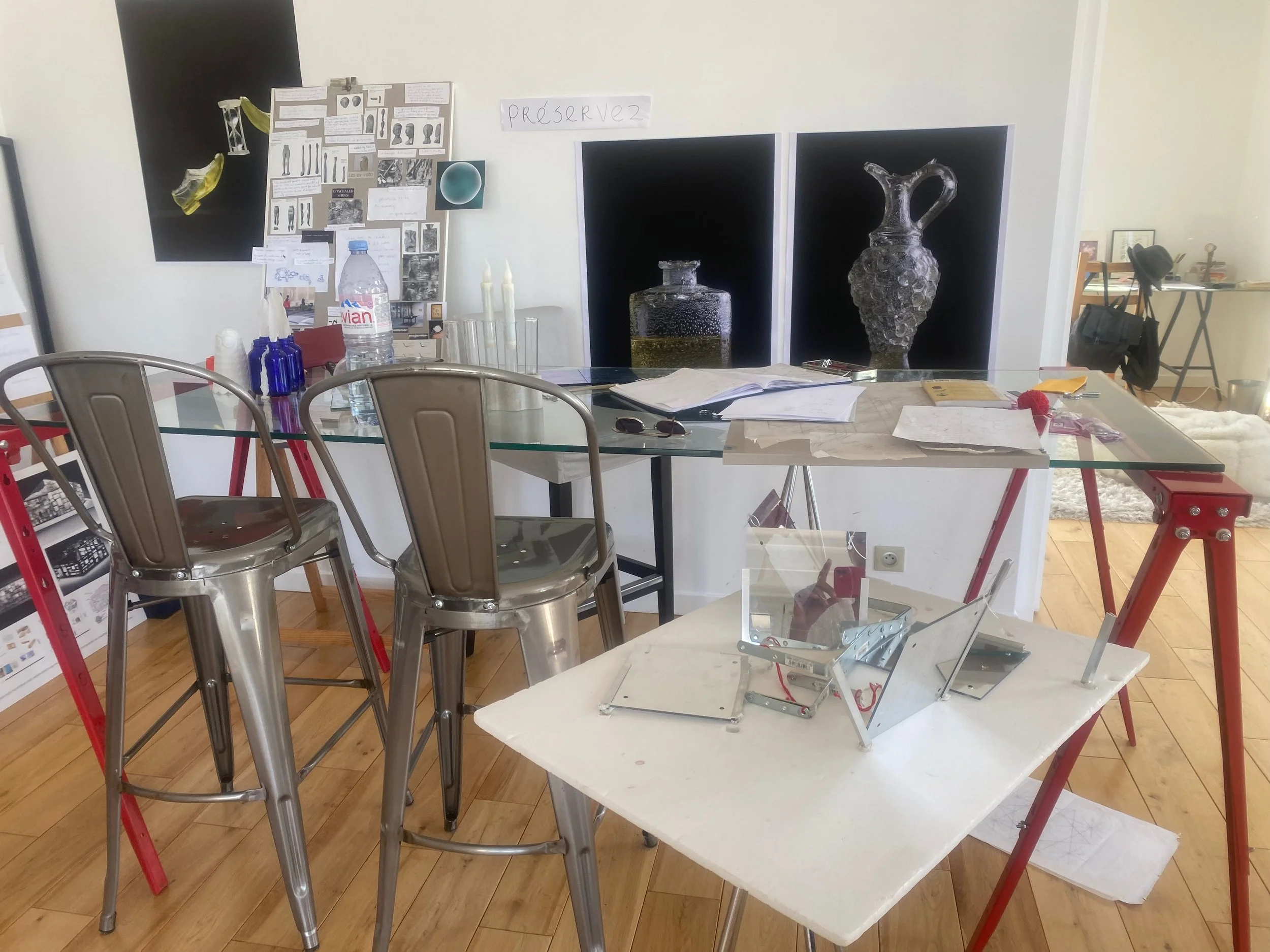
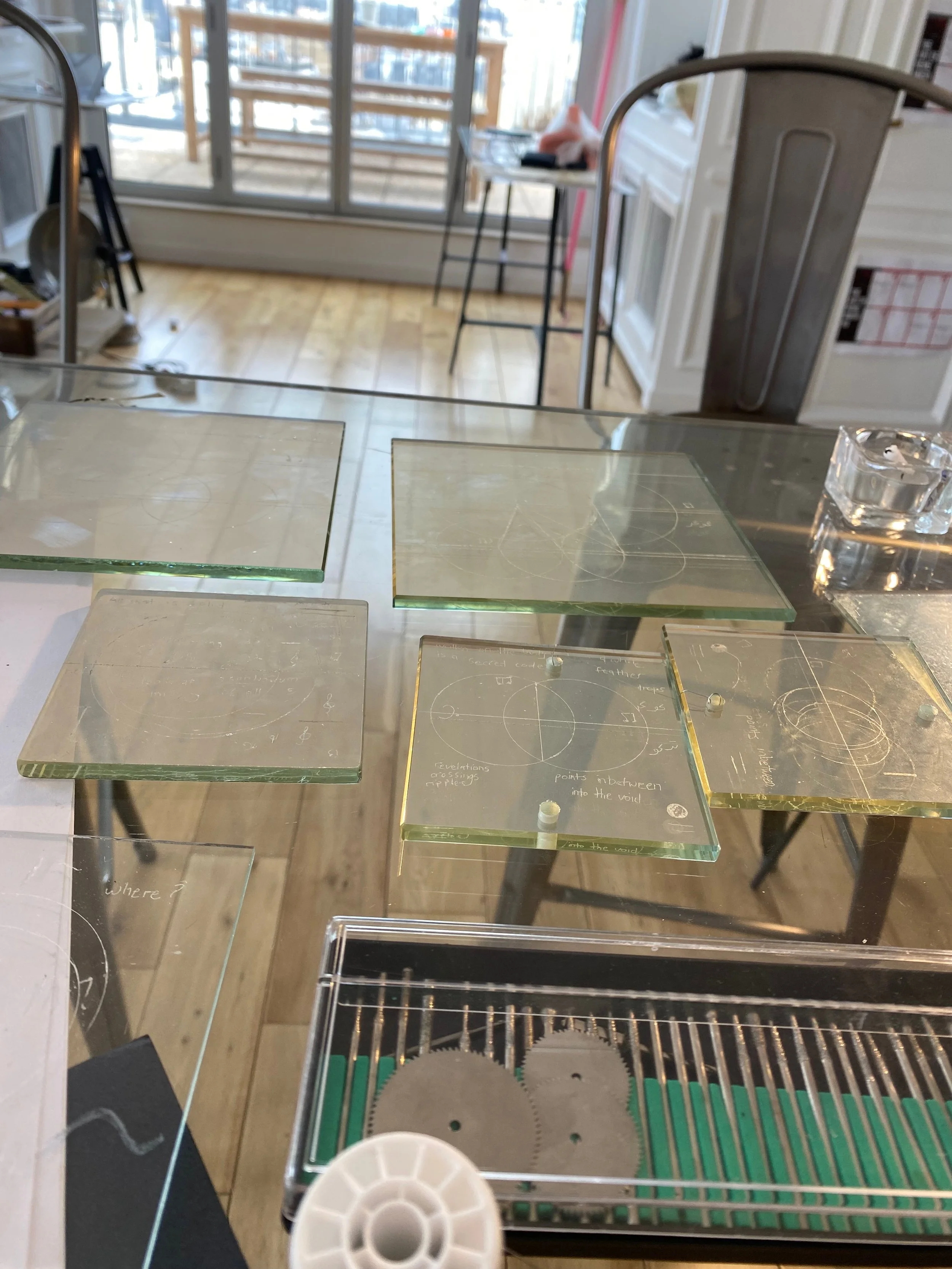
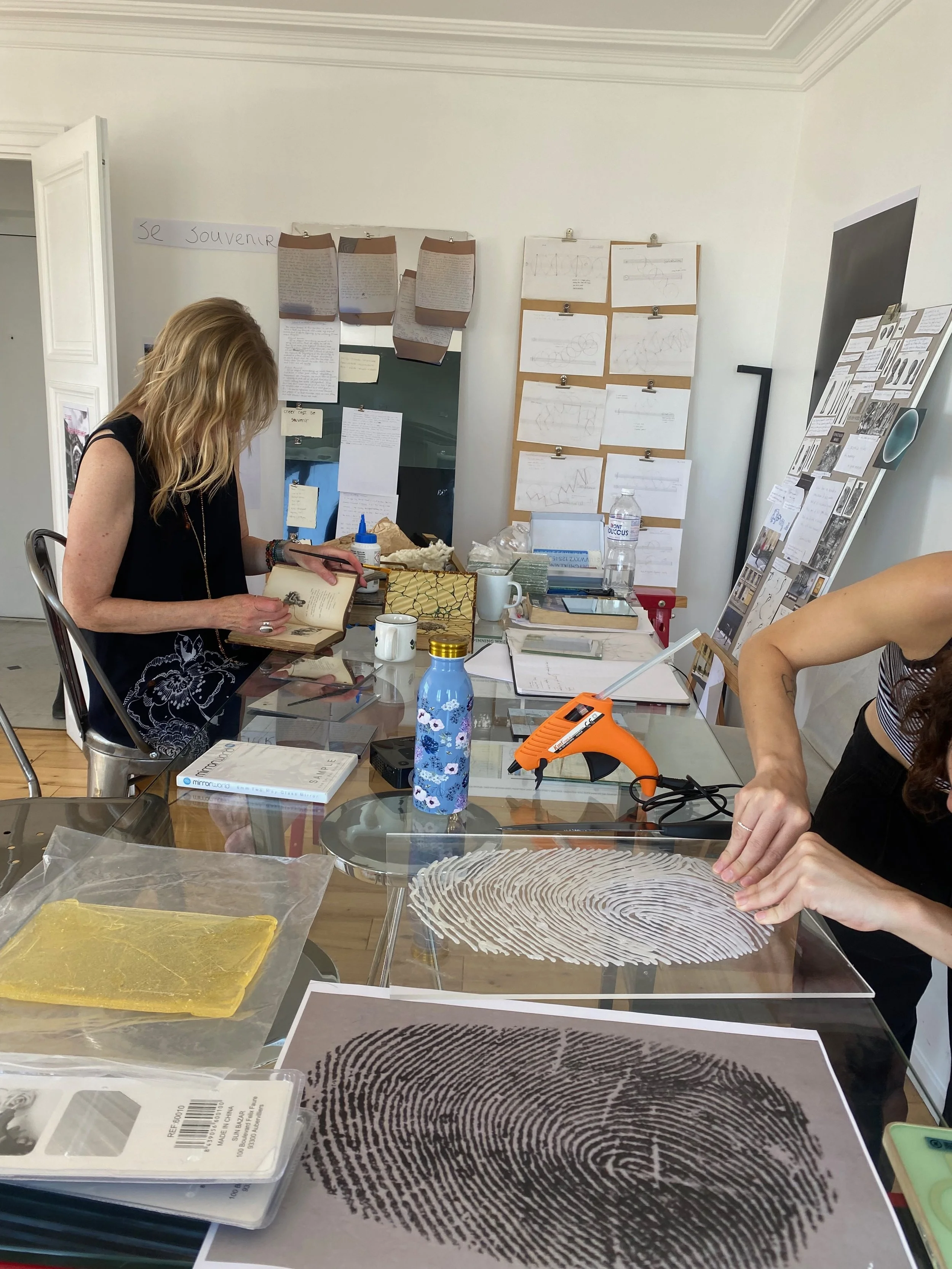
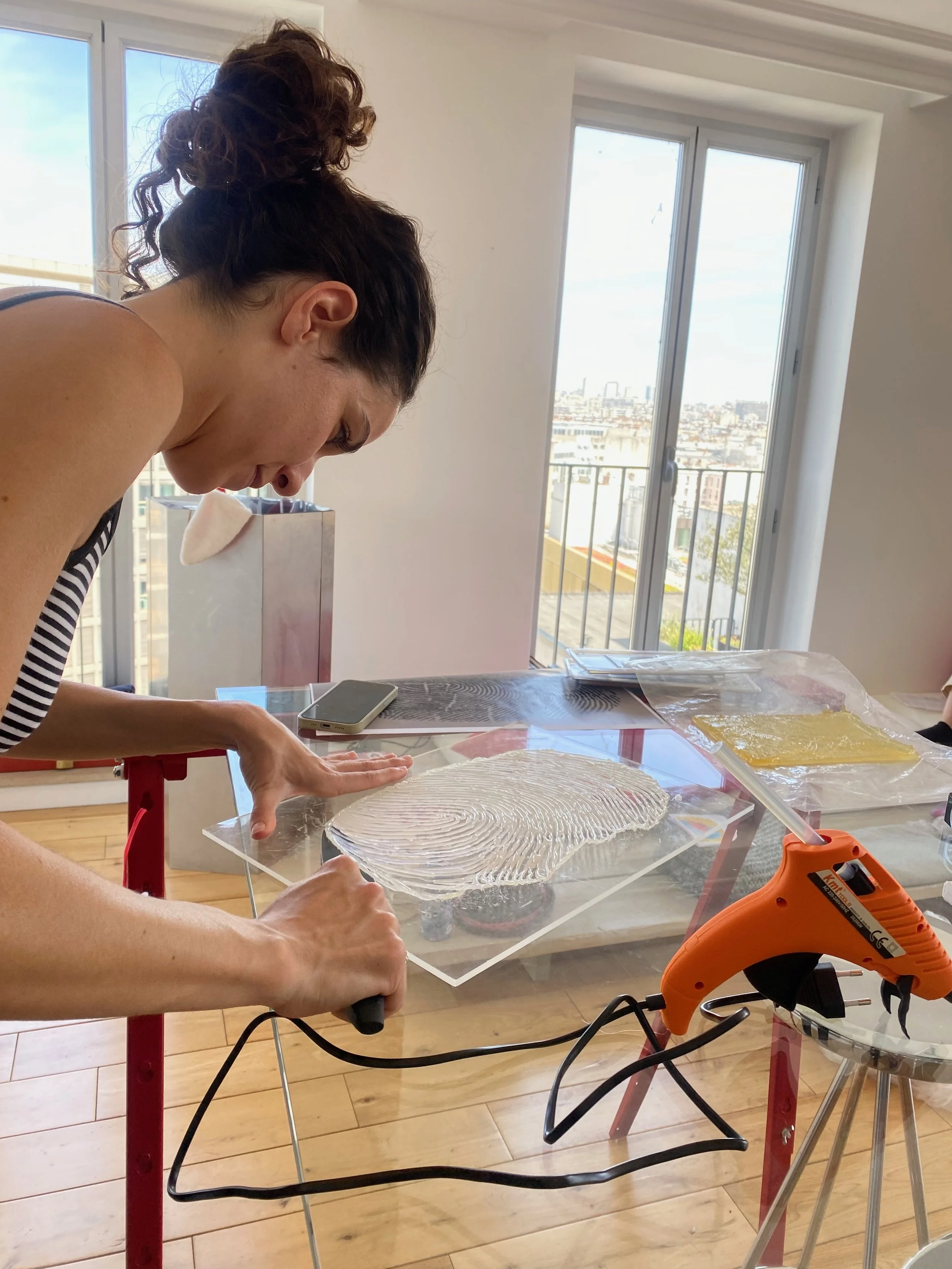
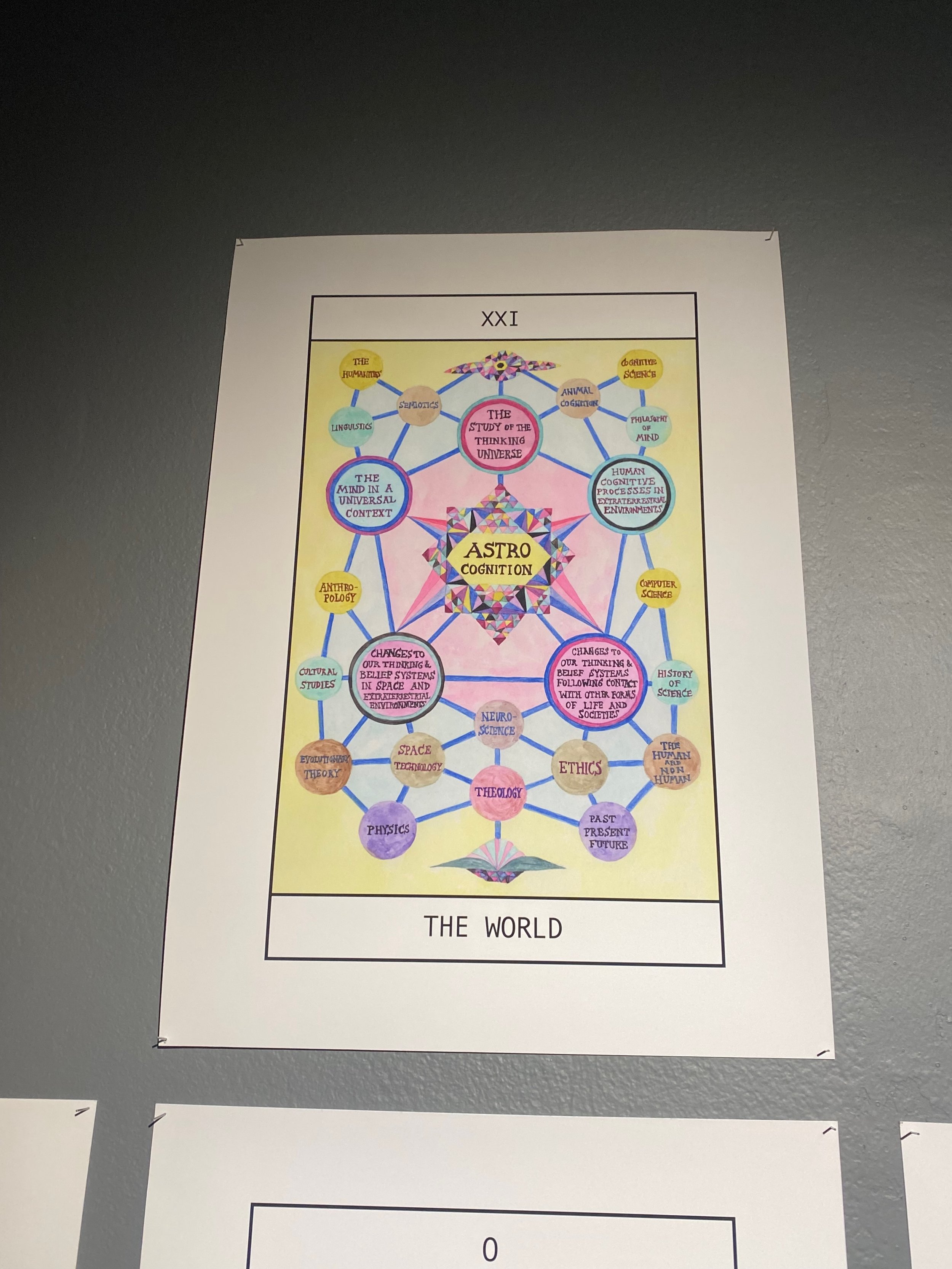
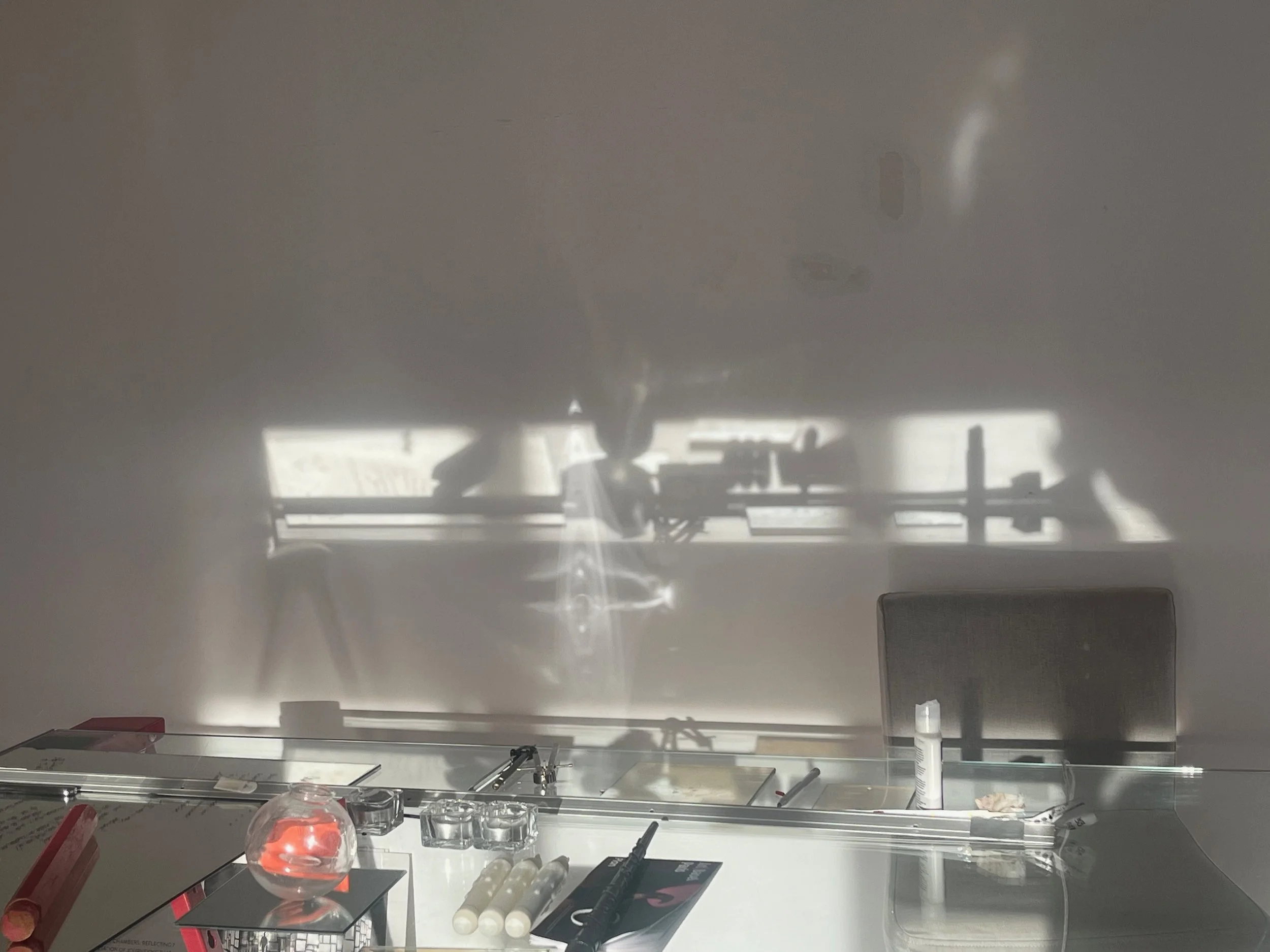
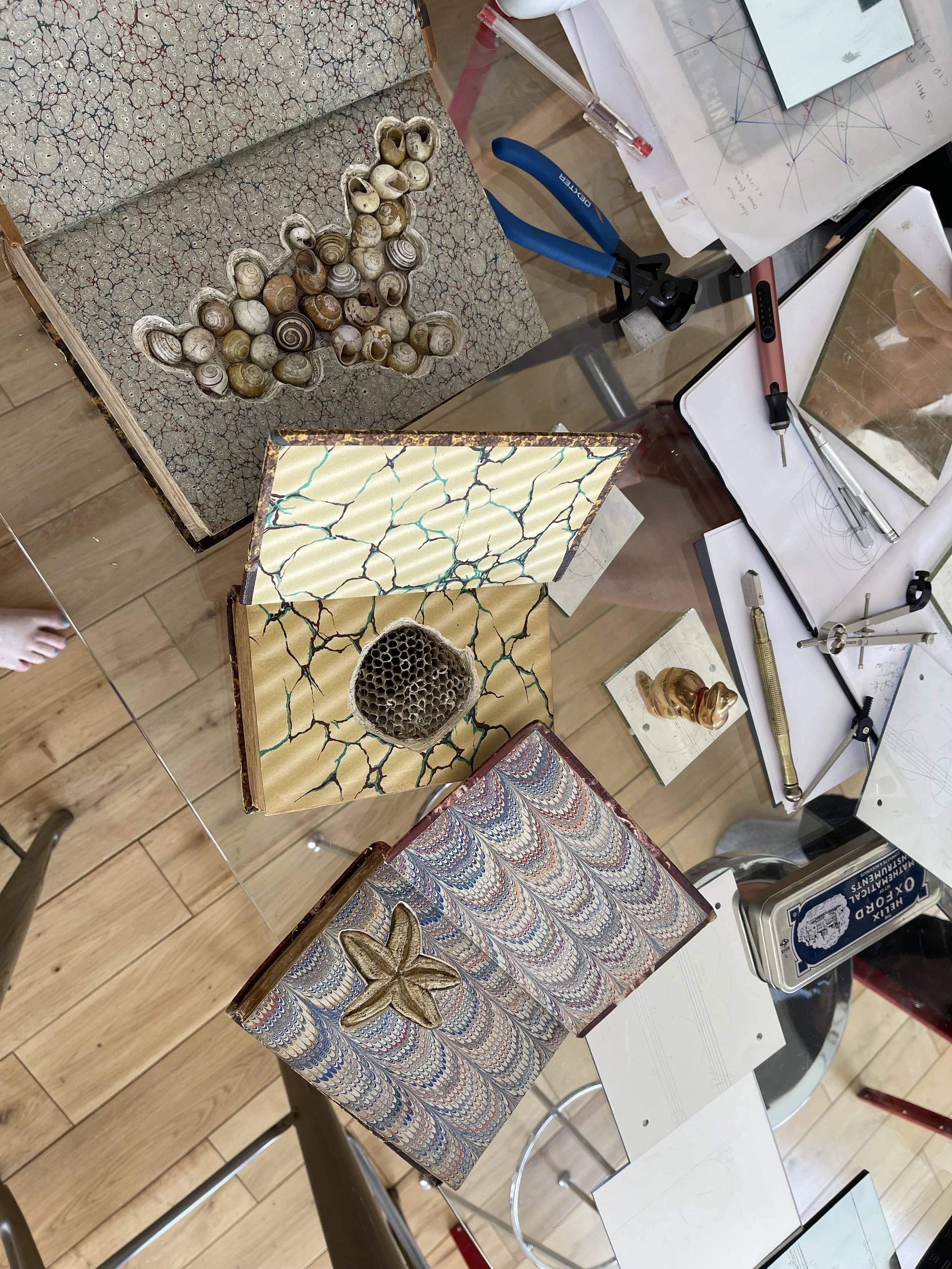
During 6 months, each weekly meeting started with a derive. The dérive became a structural tool for accessing the “in-between,” a way of drifting toward more subtle symbols like echoes and their formations; the directions of the winds, and our perceptions and locations within those symbols. Then they joined together for lab sessions, where the artists’ practices began to intermingle. The studio became a site of continuous and collective becoming; a place for gathering fragments, exchanging impulses, and allowing unexpected correspondences to appear.


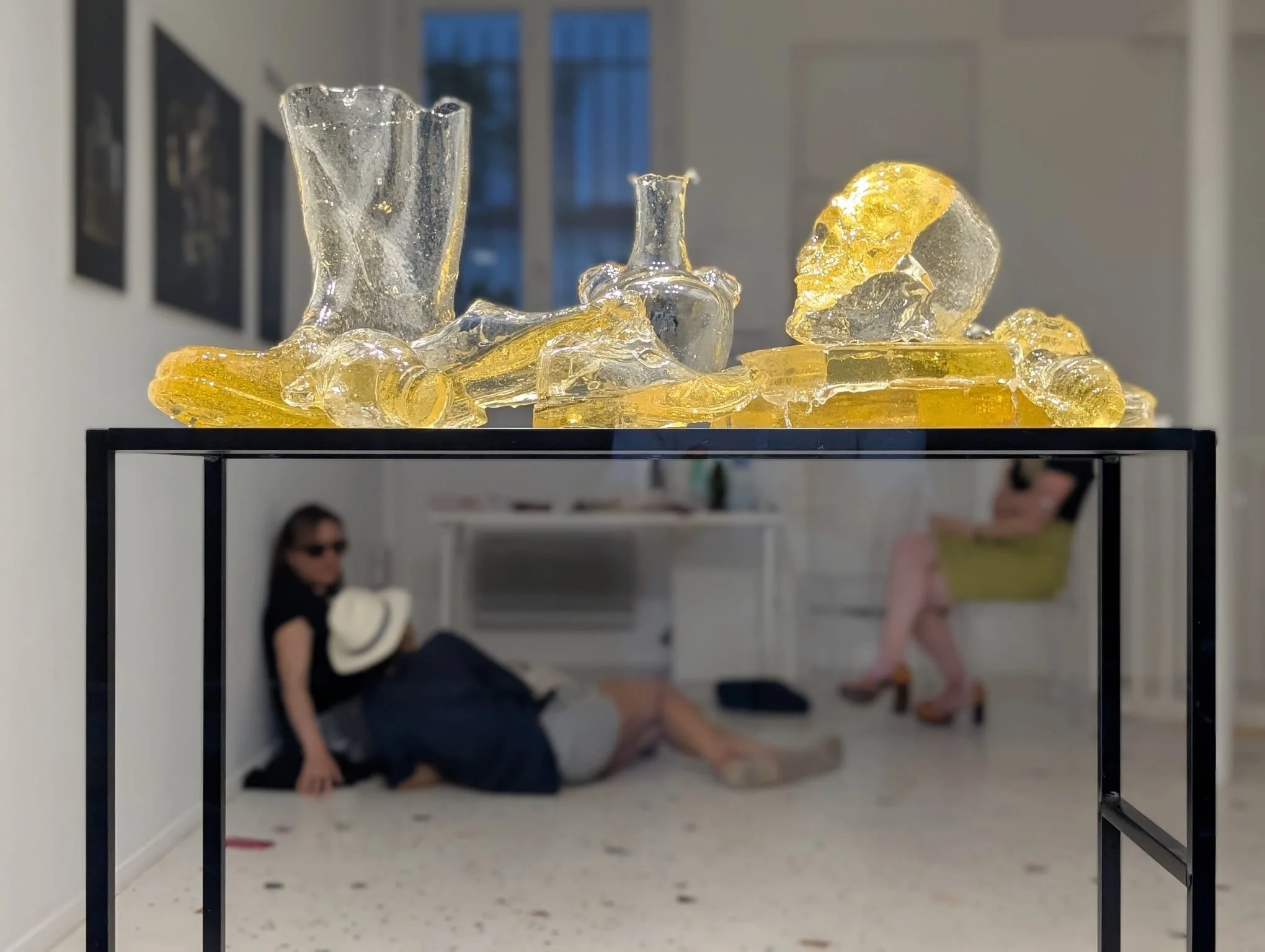
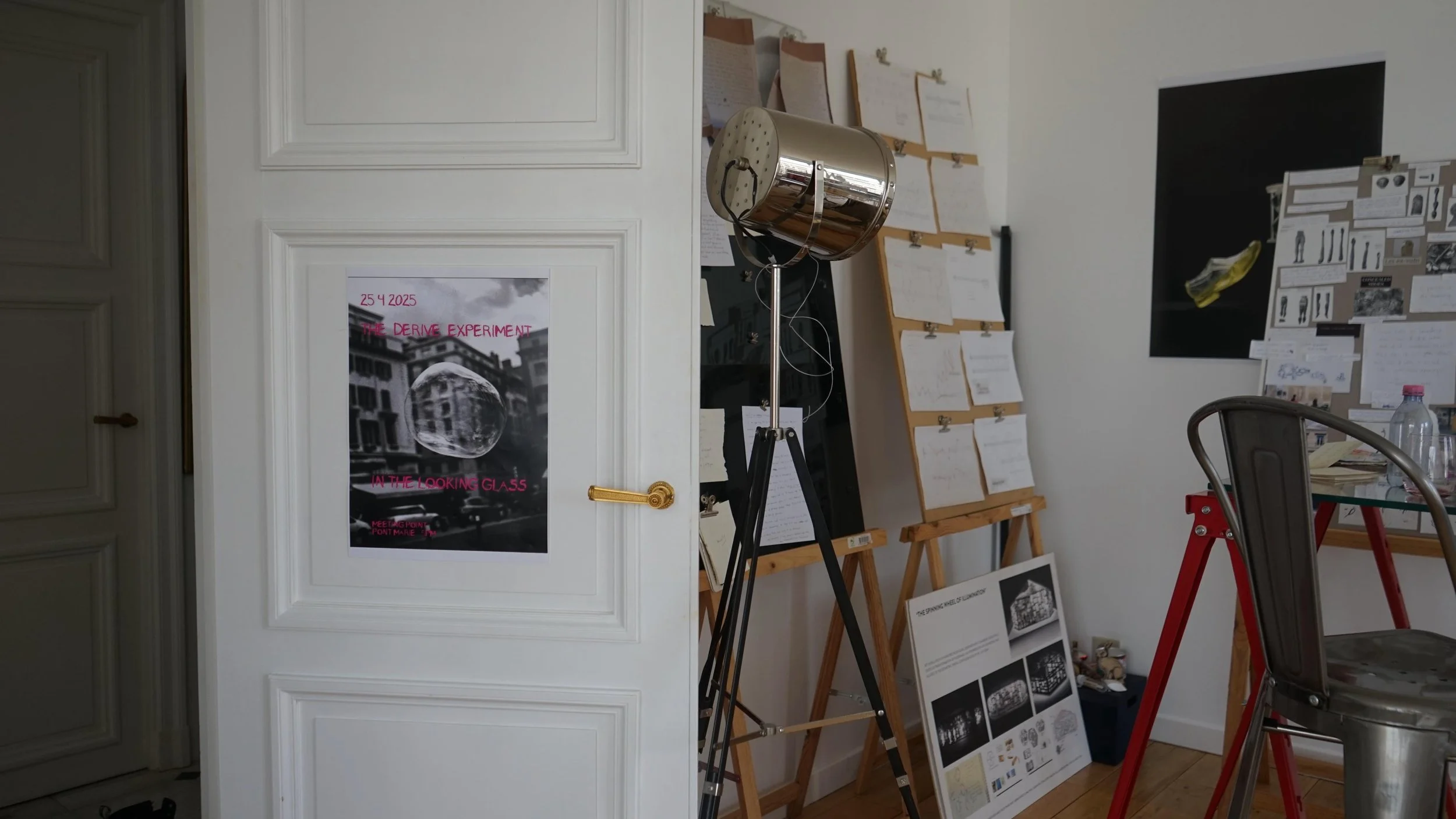


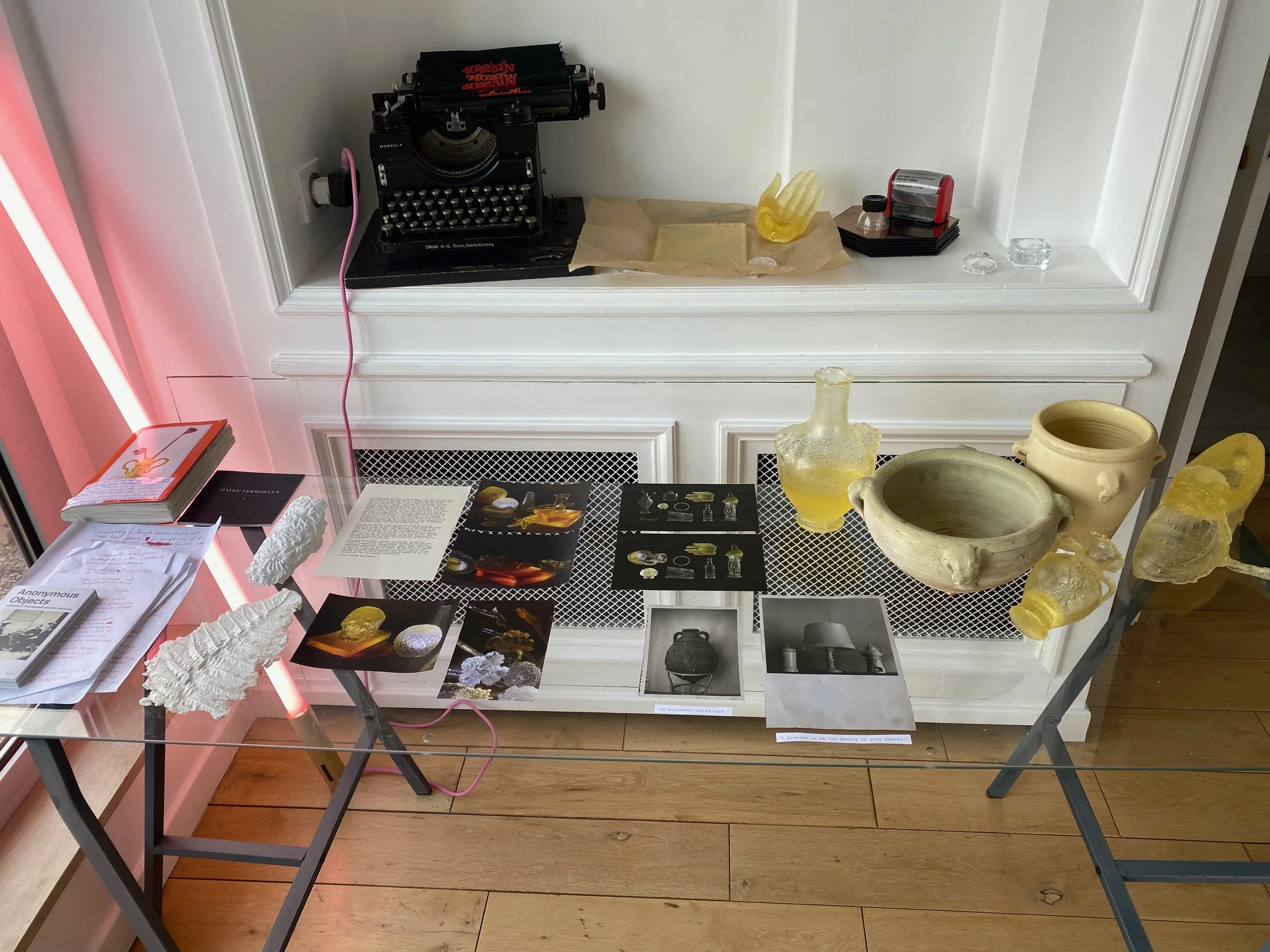
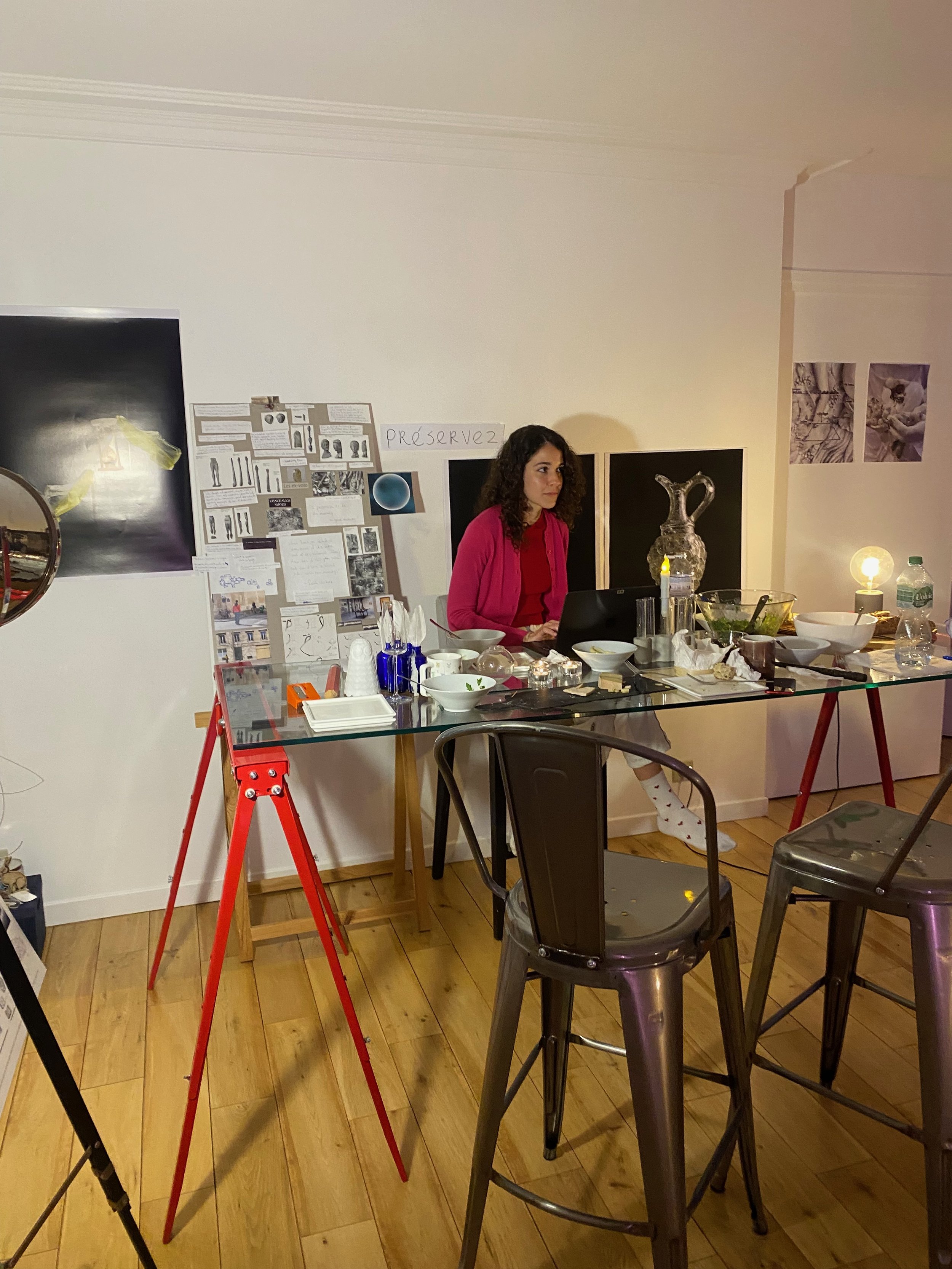




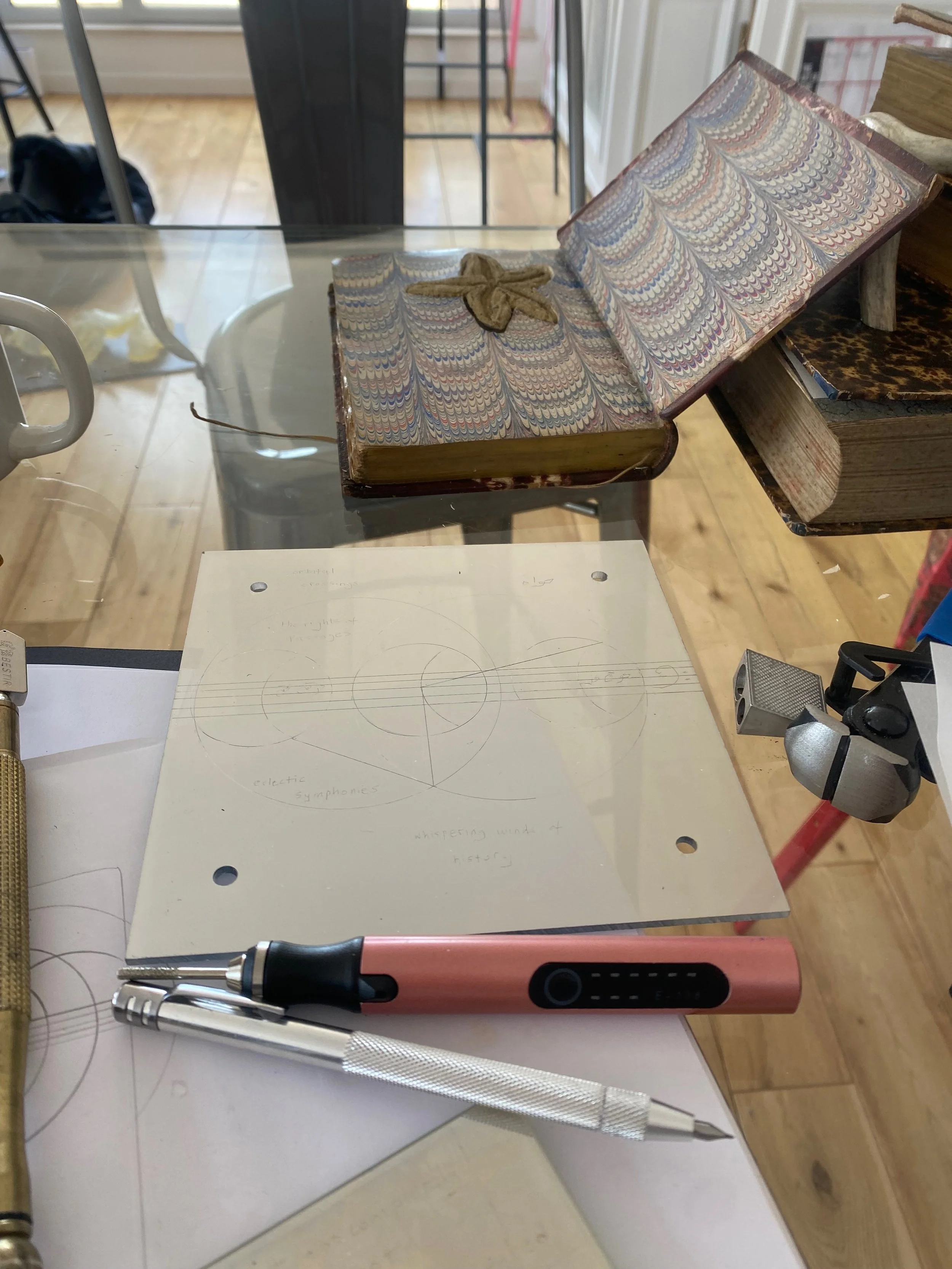

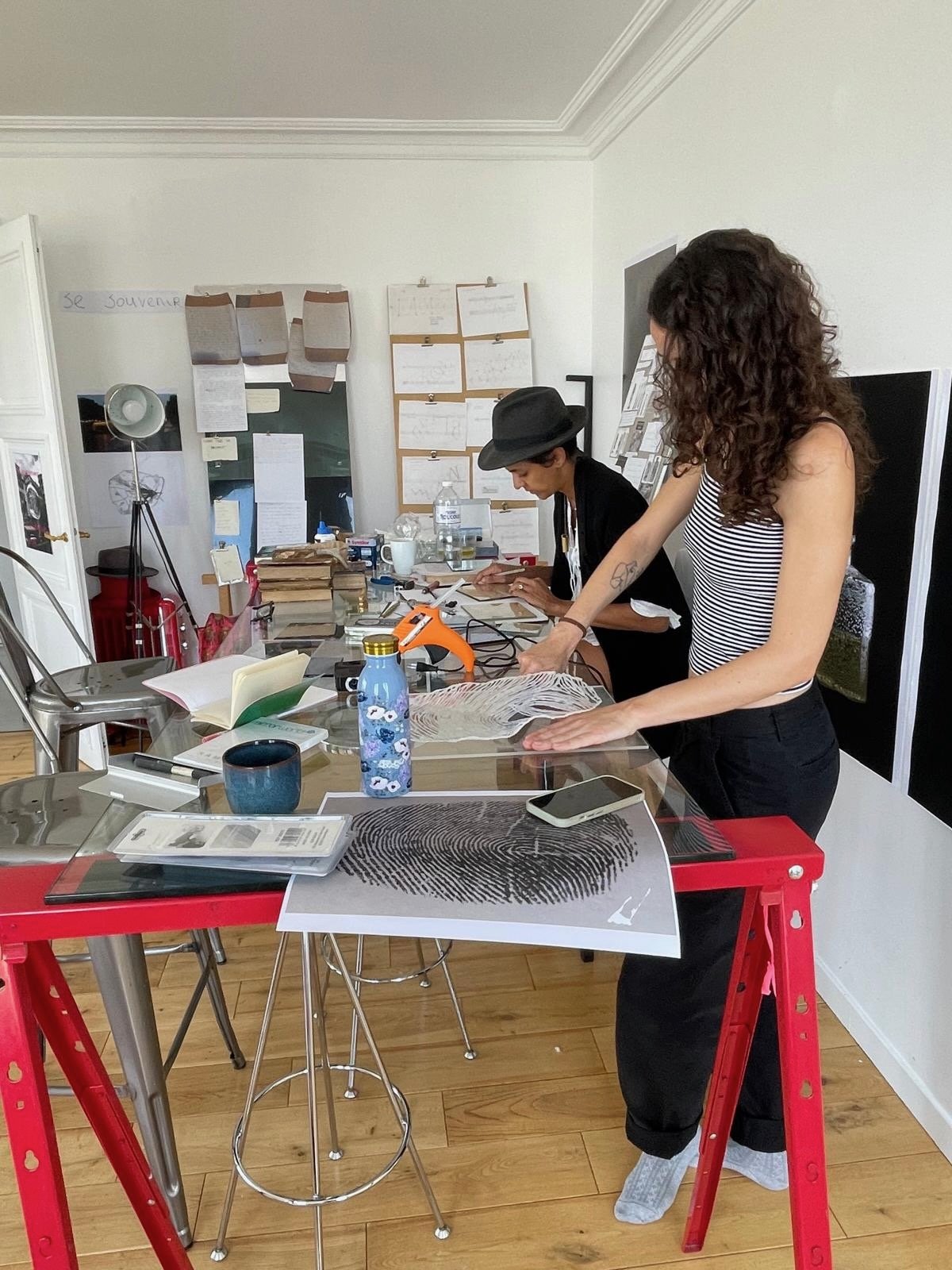
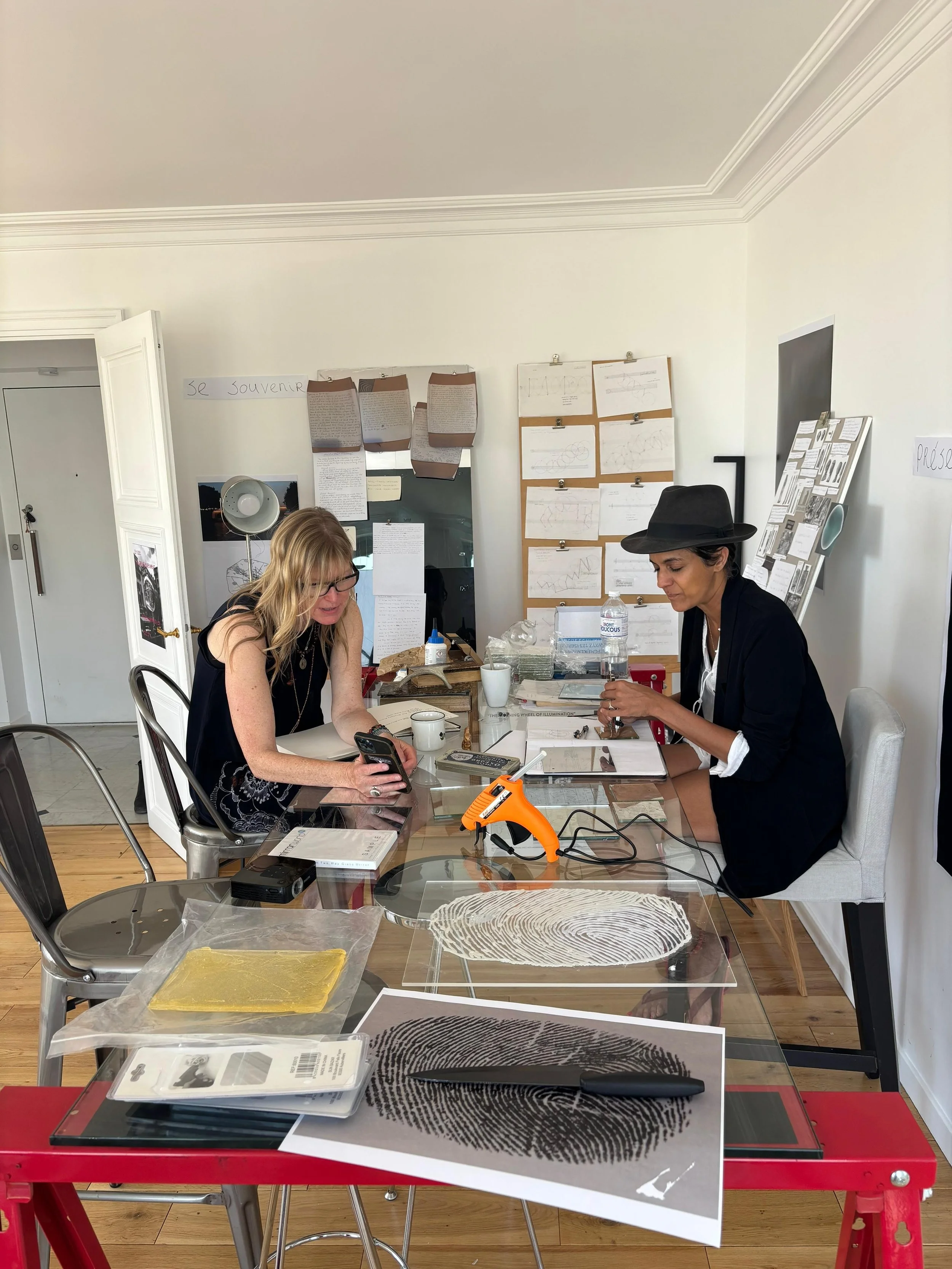


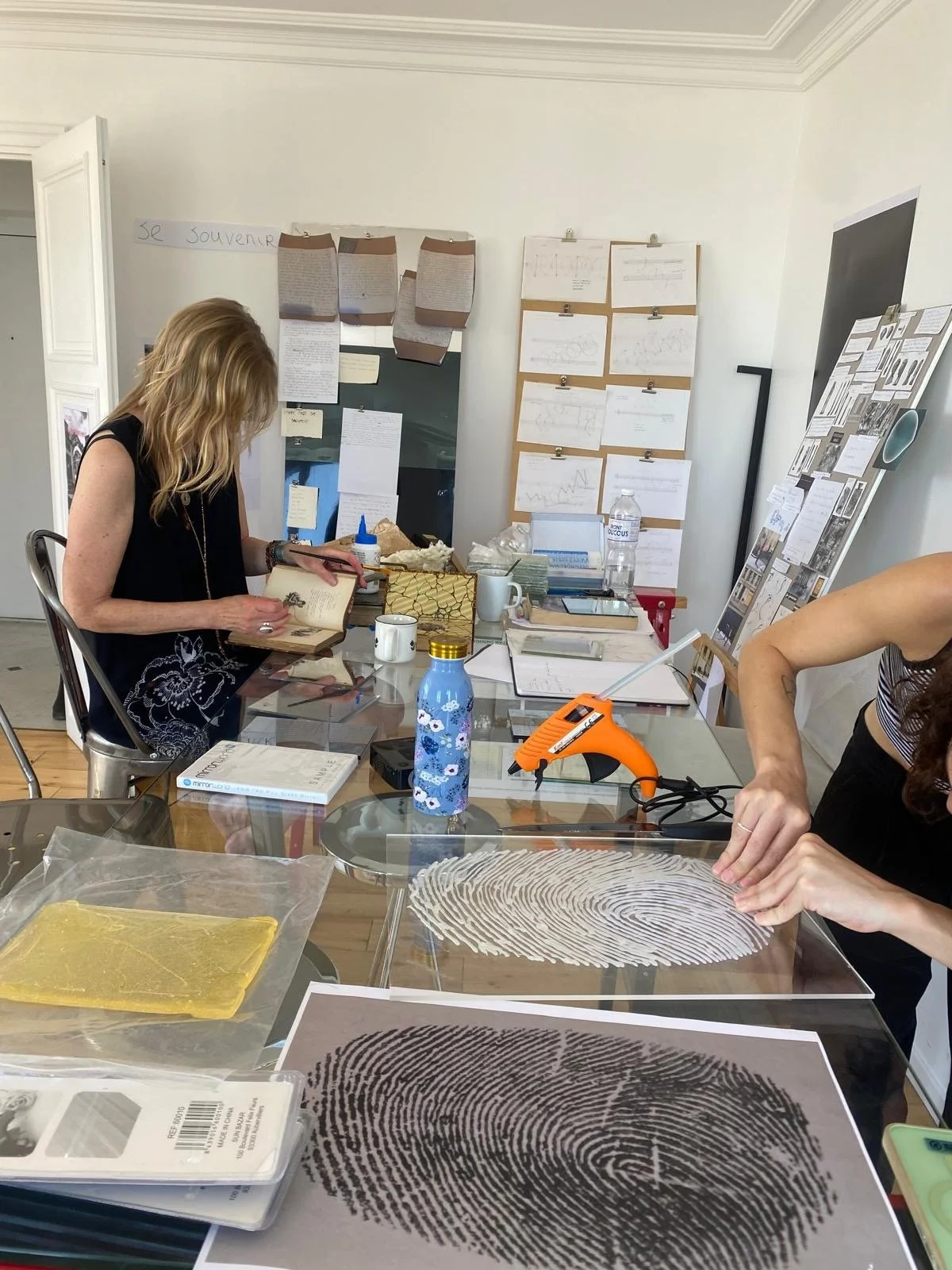





Emergent Themes
As the four artists probed the question “What if we stop remembering?” a constellation of themes surfaced across their works. Central among these was an inquiry into what holds memory at all: the space between bodies, the pauses that punctuate movement, the containers—literal and metaphorical—that shape what is gathered, lost, or transformed.
Materials served as both anchors and portals. Water, skin, sugars, and mirrors—each artist’s initial point of departure—moved beyond their original contexts. Each artist’s process informed the next. They dissolved into one another, reshaping as shared vocabularies. Vessels and containers appeared in multiple forms, continually transforming into new vessels, new states, new modes of holding. Everything seemed to be constantly in motion, each element moving at its own tempo—an attention to dimensions and perceptions that highlighted the “power of ten” as both zooming in and zooming out, fractal geometries, and the sense of portals opening through repetition. As our Sufi teacher kept telling us “Find your speed.”
The works frequently returned to questions of balance, reflection, and access:
What lies between the water? How do we enter the portal? Where does movement begin?
The Sufi Sema offered one point of orientation—turning as a technique, a philosophy, a geometry of motion. In this turning, everything connects: points become circles, circles become points, and the space between them becomes charged with tension and possibility. This is also where Kabbalah’s Tree of Life and the 10 sephirot was brought to attention, and deconstructed. The artists also considered notions around negative space, as a zone of transition, vibration, and potential.
As a process, a labyrinthine logic ran through the studio sessions—threads of literary reference, spiritual practice, and material inquiry wove together through the Rabbit Hole’s collective methodology. The artists learned to trust that everything is turning, that rhythm and motion reveal structures that the conscious mind cannot readily access.
What ultimately emerged is a field of echoes—shifting containers, moving geometries, and porous boundaries—where transformation is constant and the in-between becomes the site of memory.
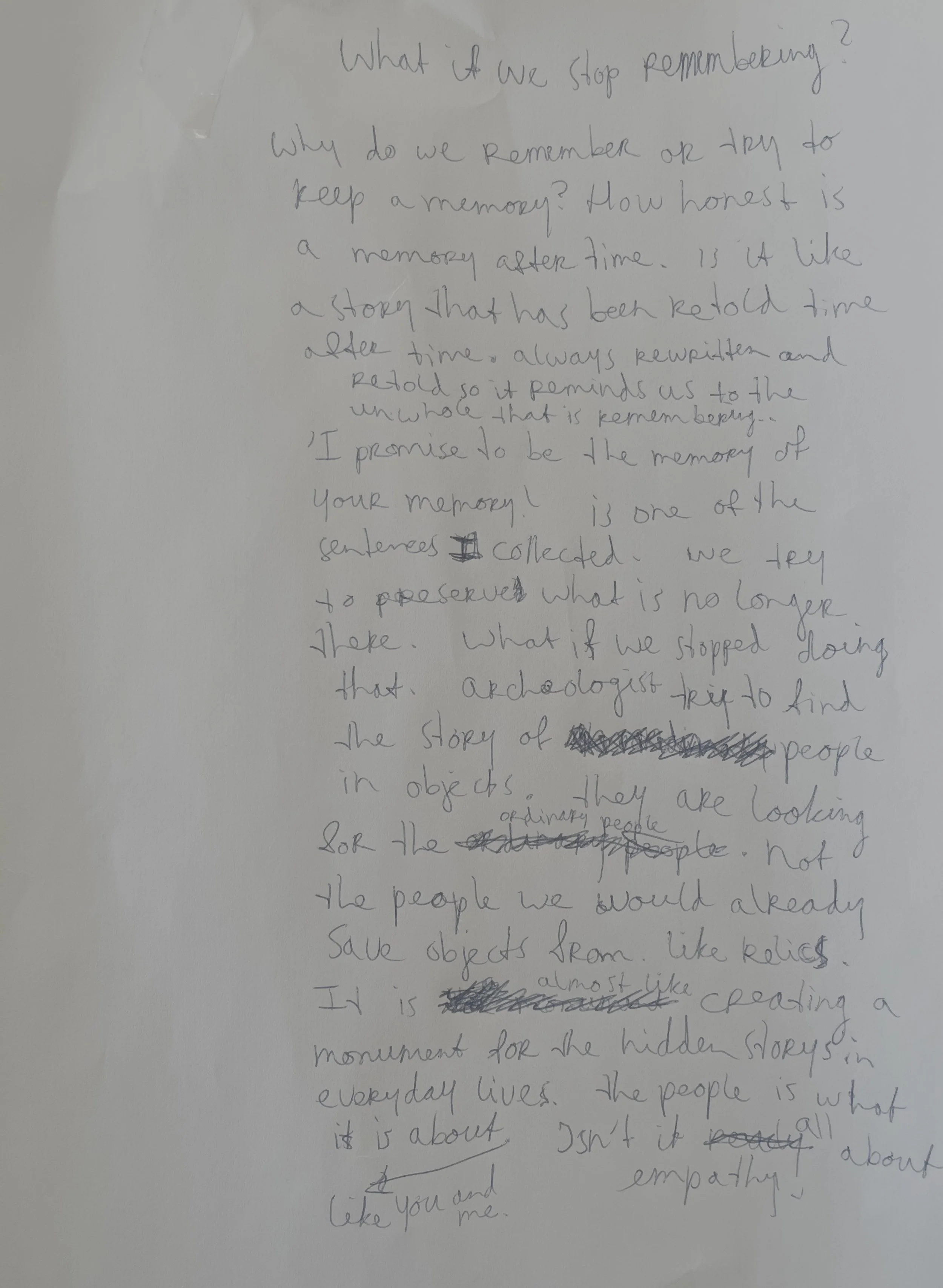
Towards the end of the residency, each artist was asked the question again “What if we stop remembering?”

Conclusions:
The 6 months offered the artists time and space to explore, revisit, reinvent and deconstruct their processes and practices, becoming one with the other and evolving into something again completely new. It was shaped by 6 months of drift, encounter and transformation.
Ultimately, the residency revealed that the most vital terrain is the space in between—the translucent, shifting zone where materials, ideas, and intentions gather before taking form. Guided by this curatorial lens, the artists learned to let their works speak to one another, to recognize the subtle movements that arise beneath conscious awareness, and to trust the collective as a site of expanded perception.
Like the birds in The Conference of the Birds, the group discovered that transformation happens through shared motion—through turning, drifting, zooming in and out until scale dissolves and patterns repeat across the “power of tens.” Everything is in motion. In embracing these continua, the artists arrived not at fixed answers, but at a deeper attunement to the forces that move through and between them."
CONNECTED WORKS:

THE ART OF REMEMBERING, NAPLES